What Solar Solutions Düsseldorf tells us about the future of PV operations
The sessions at this year’s Solar Solutions Düsseldorf made something clear: photovoltaic projects aren’t getting simpler. Installers are being asked to combine PV systems with infrared heating, heat pumps, storage, energy management, and building regulations — often within a single job. The work on paper looks straightforward; the field reality is not.
Many teams struggle with uneven workflows, documentation gaps, missed steps during commissioning, or delayed maintenance. At scale, these issues lead to callbacks, extended timelines, and stressed technicians.
This overview brings together the key trends discussed at the event and how they’re shaping the daily work of PV and heating professionals — along with practical ways teams can keep results predictable even as projects grow more complex.
Why electrification is accelerating — and why it complicates field work
A significant share of the program focused on fully electric heating: infrared concepts paired with PV, new hot water approaches, and hybrid models for existing buildings. These solutions bring clear benefits for homeowners, but they introduce more steps for field teams.
Installations now involve several components that depend on each other. A missed configuration step or the wrong cable routing can easily lead to a second visit. Heritage-protected buildings add heavier documentation needs, and more digital controllers mean recurring maintenance is becoming part of everyday operations.
To keep this manageable, many teams rely on structured digital workflows that guide technicians through each step. Skill-based assignments help ensure hybrid-system jobs go to people who know the technology well. Capturing permit-relevant information during the visit keeps approvals moving, and having an asset history available makes follow-up work smoother.
Storage is shifting from add-on to long-term service market
Sessions on C&I storage, municipal batteries, and advanced energy management all pointed in the same direction: storage is now a core part of commercial energy planning. What used to be an optional upsell has become a long-term operational commitment for installers and service teams.
This shift brings more complex commissioning steps, stricter documentation expectations from utilities, and multi-site service responsibilities. Large projects often involve several partners, which raises the need for clearer coordination and visibility across teams.
Many companies now rely on platforms like Fieldcode to keep that coordination tight. Real-time insight into project status — who is on-site, which tasks are complete, and which phases still need attention — helps teams avoid bottlenecks during commissioning. Linking tasks to contractual obligations keeps SLAs visible, and structured maintenance planning reduces the risk of downtime for storage customers over the system’s lifetime.
Digital planning is growing, but execution still sets the pace
Digital system planning and procurement tools were another recurring theme. While these tools improve preparation, installation success still depends on what happens in the field.
Delays often arise from late material deliveries, fragmented documentation, or a disconnect between planning and what technicians experience on-site. Many installers address this by using connected workflows that tie planning details directly to field execution. Checking material readiness before scheduling — and knowing exactly where parts will be picked up or returned through designated PUDO points — helps prevent detours and keeps timelines realistic. Updated steps available offline further support technicians in remote environments.
These approaches play a particularly important role in remote locations, floating PV installations, and rural C&I environments where connectivity and travel time add complexity.
Maintenance, cleaning, and compliance continue to expand
The growing installed base of solar and hybrid systems is shifting attention toward long-term care. Talks on floating PV maintenance, cleaning technology, and certification requirements emphasized how much operational effort now goes into keeping systems efficient and compliant.
Cleaning work depends on the weather and can change quickly. Remote or water-based installations extend travel time. Certification demands thorough documentation; missing details can delay commissioning or inspections.
To stay ahead of this, many field teams use preventive cycles planned well in advance, with enough flexibility to adjust when conditions change. Tools like Fieldcode support this work by making checklists, photos, and service notes part of the normal workflow, so commercial clients receive a clear record of what was done and why. Repeatable steps also help maintain consistency across regions and teams — something that becomes more important as organizations scale.
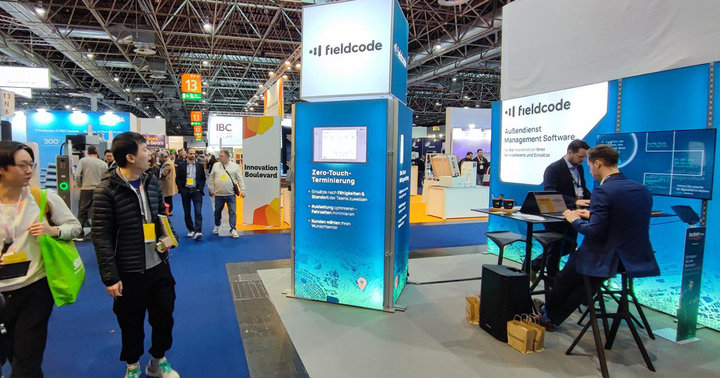
Check out a short video from Solar Solutions Düsseldorf 2025, capturing the atmosphere around the Fieldcode booth and a few moments from the discussions on site.
What these trends mean for daily field operations
The sessions at Solar Solutions Düsseldorf made it clear that modern PV work stretches beyond the panel itself. Heating, storage, digital controls, and long-term maintenance now sit inside the same operational workflow. For field teams, the challenge isn’t adopting new technologies — it’s keeping the day-to-day work predictable as the system around them becomes more connected.
Clear processes, shared visibility, and structured workflows help teams stay consistent, reduce repeat visits, and keep schedules moving even when projects span several components or partners. For companies looking to strengthen that foundation, a quick walkthrough of Fieldcode can help put the pieces into place. Book a personalized demo to see how Fieldcode supports day-to-day stability in the field.



Knowledge tip
Modern field service management software helps installation and service teams create the kind of repeatable structure needed to bring consistency to complex PV and heating projects. From guided steps in the field to clear asset histories and scheduled service cycles, every technician follows the same operational rhythm. PV and heating projects become easier to manage and more predictable over time.
FAQ
It coordinates tasks, ensures no installation or commissioning step is missed, and connects documentation directly to each device — reducing callbacks and speeding up project delivery.
These systems involve multiple components and dependencies. Clear workflows and skill-based routing prevent configuration errors and ensure SLA compliance for commercial customers.